
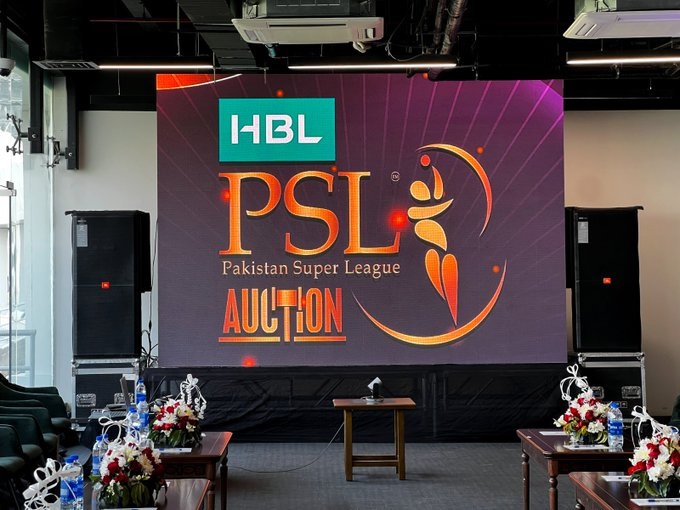
The 11th season of the PSL is set to begin on March 26, and following the recent addition of three new teams, a total of nine teams will now compete for the title. The composition of these teams will be decided today during the player auction ceremony.
For Season 11, the PSL management has introduced a player auction system for the first time, modeled after the Indian Premier League (IPL). Previously, players in the Pakistan Super League were selected through a draft system, but this time, an auction is being held with players assigned a “base price,” similar to the IPL.
According to the new PSL rules and regulations, each team has a total purse of 450 million rupees (45 crore) available to acquire players in the auction, while an additional 55 million rupees (5.5 crore) is permitted for direct signings. Thus, the maximum total budget will be 505 million rupees (50.5 crore).
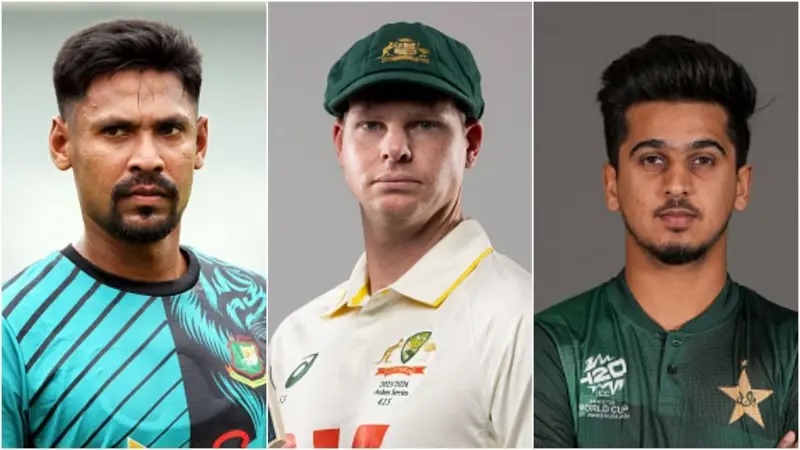
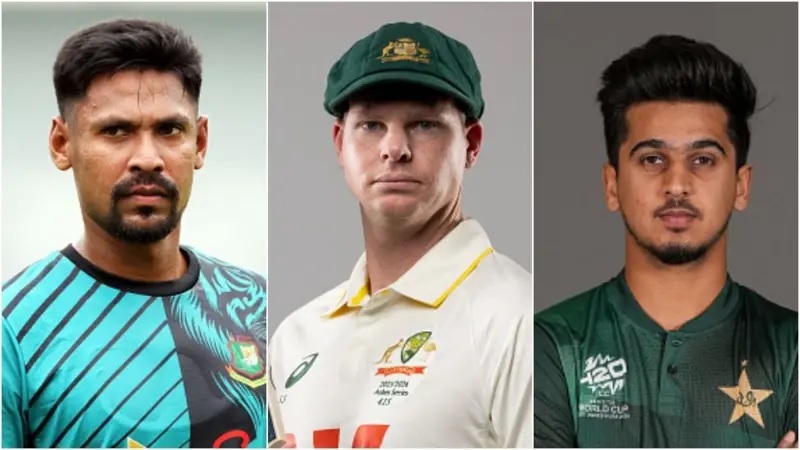
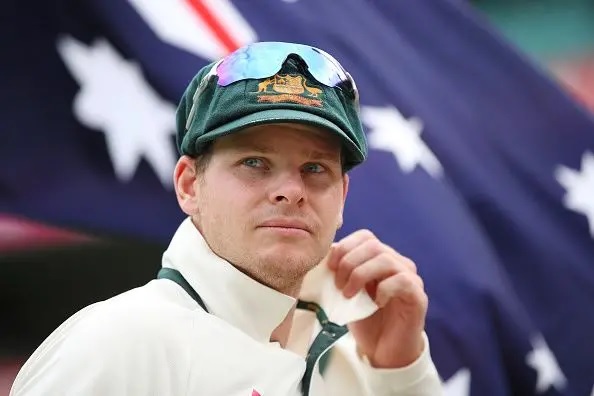
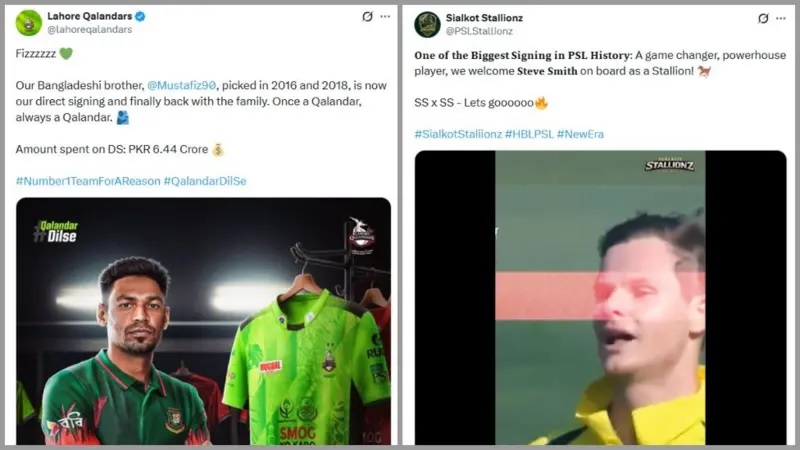
The PSL management has allowed each franchise to directly sign any overseas player who was not part of PSL 10. Utilizing this option, three franchises have added Australian players to their squads: Quetta Gladiators signed Spencer Johnson, Sialkot Stallions signed Steve Smith, while Hyderabad Kingsmen signed Marnus Labuschagne.
In this auction, each franchise can include a minimum of 16 or a maximum of 20 players in their squad, with the number of overseas players ranging from five to seven, depending on the squad size.
Within the playing eleven, it will be mandatory for franchises to include at least three and a maximum of four overseas players.
It will also be necessary for teams to include at least two players under the age of 23 in their squad and one in the playing eleven.
Key Structural Changes at a Glance:
| Category | New Rule/Detail |
| Total Teams | 9 (3 new teams added) |
| Selection Method | Auction (Base Price system) |
| Total Budget | 50.5 Crore PKR (45 Crore Auction + 5.5 Crore Direct Signing) |
| Overseas Rule | 3 to 4 players in Playing XI |
| Emerging Rule | Min. 2 in squad; 1 in Playing XI (Under-23) |
The Auction Procedure
According to the Pakistan Cricket Board, four categories have been established for the player auction this time.
In the first category, the base price is set at 42 million rupees (4.2 crore); in the second, 22 million rupees (2.2 crore); in the third, 11 million rupees (1.1 crore); while the base price for the fourth category is 6 million rupees (60 lakh).
During the first 10 seasons of the PSL, players were paid in US Dollars; however, this time, they will receive their compensation in Pakistani Rupees.
According to the PCB, for a player whose bidding starts at 42 million rupees, franchises must increase the bid by a minimum of 1.5 million rupees (15 lakh) during each subsequent round of bidding.
Similarly, for a player with a base price of 22 million rupees, each bid must be increased by 500,000 rupees (5 lakh), while for a cricketer in the 11 million rupee bracket, the bid must be raised by at least 250,000 rupees (2.5 lakh).
The first category in the auction includes nine Pakistani players: Pakistan’s T20 captain Salman Ali Agha, Sahibzada Farhan, Haris Rauf, Mohammad Rizwan, Mohammad Amir, Naseem Shah, Imad Wasim, Fakhar Zaman, and Faheem Ashraf.
Five Pakistani players have been placed in the second category with a base price of 22 million rupees, all of whom have been part of the Pakistan national team. These include Shan Masood, Iftikhar Ahmed, Usama Mir, Saud Shakeel, and Mohammad Wasim Jr.
Among the foreign players with the highest base price, there are six from Australia, four from England, three each from New Zealand and South Africa, and two each from Sri Lanka and the West Indies.
Initially, the total number of such players was 22, but following the decision of Afghan players not to participate in the PSL, Fazalhaq Farooqi and Mujeeb Ur Rahman will no longer be part of the auction.
Auction Increments at a Glance:
| Base Price (PKR) | Minimum Bid Increment (PKR) |
| 42 Million (4.2 Crore) | 1.5 Million (15 Lakh) |
| 22 Million (2.2 Crore) | 0.5 Million (5 Lakh) |
| 11 Million (1.1 Crore) | 0.25 Million (2.5 Lakh) |
Which players will not be part of the auction?
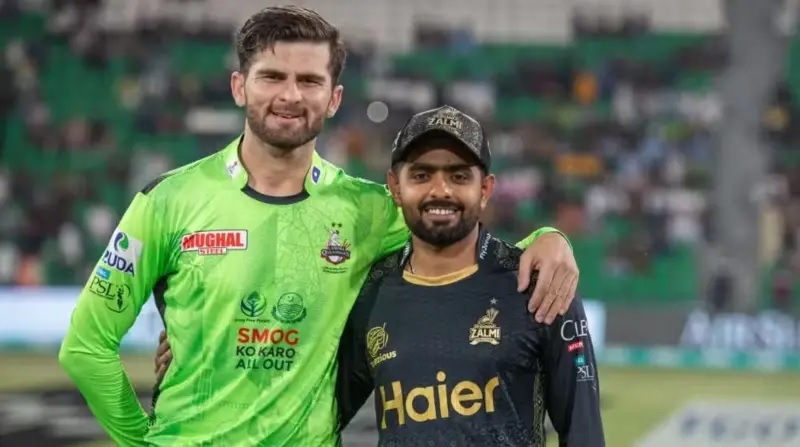
Many big names, such as Babar Azam and Shaheen Afridi, will not be included in the auction for PSL 11 due to the “Retention Policy.”
Karachi Kings has decided to retain Hasan Ali, Khushdil Shah, Saad Baig, and Abbas Afridi for this season. Karachi Kings retained Hasan Ali for 47.6 million (4.76 crore), Abbas Afridi for 30.8 million (3.08 crore), Khushdil Shah for 33.6 million (3.36 crore), and Saad Baig for 600,000 (60 lakh) rupees. Consequently, this franchise will have more than 330 million (33 crore) rupees available for the auction.
Peshawar Zalmi has retained Babar Azam in the Platinum category, and he will receive 70 million (7 crore) rupees. Spinner Sufyan Muqeem has been placed in the Diamond category and will receive 44.8 million (4.48 crore) rupees, while Abdul Samad will receive 28 million (2.8 crore) rupees in the Gold category. The fourth player retained by Peshawar is Ali Raza, whose price has been set at 19.6 million (1.96 crore) rupees. Peshawar Zalmi has decided to spend a total of 162.4 million (16.24 crore) rupees on these four players, leaving them with more than 280 million (28 crore) rupees to spend in the auction.
Islamabad United has retained captain Shadab Khan in the Platinum category, Salman Irshad in the Gold category, and Andries Gous in the Silver category for PSL 11. Islamabad United announced the retention of captain Shadab Khan for 70 million (7 crore) rupees, a compensation to be paid in the Platinum category. Meanwhile, Andries Gous will be paid 14 million (1.4 crore) rupees in the Silver category, and Salman Irshad will be paid 12 million (1.2 crore) rupees in the Gold category. In this manner, Islamabad United has already utilized 96 million (9.6 crore) rupees out of the total 450 million (45 crore) rupees allocated for player purchases, leaving them with a remaining balance of more than 350 million (35 crore) rupees.
Retention Financials Summary:
| Team | Retained Players | Budget Spent (PKR) | Remaining Auction Purse (PKR) |
| Karachi Kings | 4 | 11.8 Crore | 33.2 Crore |
| Peshawar Zalmi | 4 | 16.24 Crore | 28.76 Crore |
| Islamabad United | 3 | 9.6 Crore | 35.4 Crore |
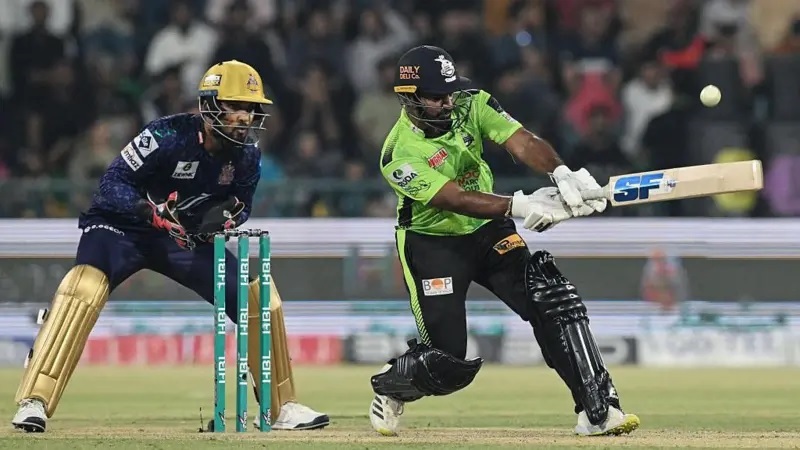
“Lahore Qalandars have decided not to put Shaheen Shah Afridi, Abdullah Shafique, Zimbabwe’s Pakistani-born all-rounder Sikandar Raza, and Mohammad Naeem up for auction. The franchise has decided to pay 70 million (7 crore) to Shaheen Afridi, 22 million (2.2 crore) to Abdullah Shafique, 28 million (2.8 crore) to Sikandar Raza, and 700,000 (70 lakh) rupees to Mohammad Naeem.”
“Thus, the amount available for Lahore to spend in the auction will be 323 million (32.3 crore) rupees. The Lahore team has also directly signed fast bowler Mustafizur Rahman from Bangladesh.”
“Quetta Gladiators have directly signed Australian fast bowler Spencer Johnson and announced the retention of spinner Abrar Ahmed, Usman Tariq, Hassan Nawaz, and emerging player Shumail Hussain. They will be paid 70 million (7 crore), 56 million (5.6 crore), 39.2 million (3.92 crore), and 8.4 million (84 lakh) rupees, respectively. This leaves Quetta with a remaining balance of 276.4 million (27.64 crore) rupees.”
“While Sialkot Stallions have made Steve Smith a part of their team for a massive sum of 140 million (14 crore) rupees through a direct signing, the team will also pay 61.6 million (6.16 crore) to Mohammad Nawaz, 39.2 million (3.92 crore) to Salman Mirza, 22.4 million (2.24 crore) to Ahmed Daniyal, and 8.4 million (84 lakh) rupees to Saad Masood.”
“The second new team included in PSL 11, Hyderabad Kingsmen, has directly signed Australia’s Marnus Labuschagne. Additionally, they have announced payments of 126 million (12.6 crore) rupees to Saim Ayub, 46.2 million (4.62 crore) to Usman Khan, 35 million (3.5 crore) to emerging player Maaz Sadaqat, and 19.6 million (1.96 crore) rupees to Akif Javed.”

The Impact of Buying an Expensive Player on the Rest of the Team?
Sialkot Stallions have signed Steve Smith directly for a massive sum of 140 million (14 crore) rupees, while Hyderabad Kingsmen have signed Saim Ayub for 126 million (12.6 crore) rupees, and Lahore Qalandars have secured Bangladeshi player Mustafizur Rahman for 64.4 million (6.44 crore) rupees.
In this scenario, the question arises: will direct signings of foreign players for such large sums leave enough money for the remaining local and international players? Does the franchise have a large enough budget (purse) to adjust the rest of the squad? Won’t this affect the compensation of other players?
Regarding this, Kamil Khan, the owner of Sialkot Stallions, told BBC Urdu’s Munazza Anwaar: “Certainly, signing a player like Steve Smith for this amount will impact our overall budget… but now we will be very selective and strategic about the remaining players we add to the team.”
However, Atif Rana, CEO of Lahore Qalandars, told BBC Urdu: “A team is not built by a single player; a price is offered to any player only after considering all 11 players and the total budget.”
The CEO of Lahore Qalandars further added, “Whatever happens will be transparent for everyone to see.” He explained, “It’s like going to the market with a budget of 100,000 rupees; you buy everything in proportion to that budget. The player auction situation is exactly the same.”
Atif Rana stated, “All franchise owners have reached this position through business, and they have a clear idea of how to build their teams. Just as they build corporate teams, they know how to build a sports team. We know exactly what our budget is, and within that limit, we have to create the best possible combination of players to entertain the fans in the best way.”
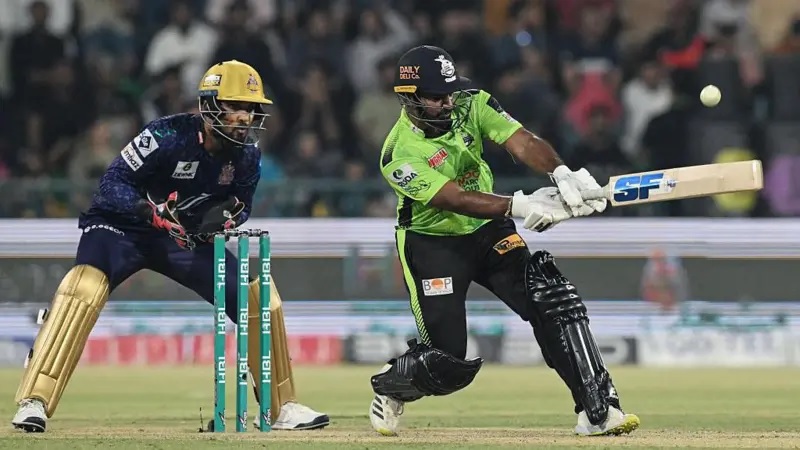
“The rich players will keep getting richer, and the poor players will keep getting poorer”
Sports analyst Dr. Nauman Niaz, speaking to BBC Urdu’s Munazza Anwaar, stated: “Signing an expensive player definitely impacts the rest of the team.”
Explaining this further, he highlighted three key points:
According to Dr. Nauman Niaz: “The recent auctions we’ve witnessed—where prices reached 1.75 billion, 1.85 billion, and up to 2.45 billion rupees—can lead to financial losses. There is no doubt that these franchises earn through external sources, but the disparity between the US Dollar and the PKR puts them under significant pressure.”
He continued: “The second important point is the arrival of franchises with ‘deep pockets’—owners who are financially very strong. At the very least, they will have a financial backup. Recent examples include Multan Sultans, Sialkot, and Hyderabad.”
Regarding other teams, Dr. Nauman Niaz noted: “During the draft, we saw efforts to acquire players at lower prices, and the situation for those players was quite constrained.”
On the subject of the auction, Dr. Nauman Niaz shared his philosophy: “The rich players will keep getting richer, and the poor players will keep getting poorer. This will create an imbalance and further widen the gap between players… with some getting 12 crore, some 6 crore, and others 4 crore.”
According to Dr. Nauman Niaz: “While franchises acquiring players this way shows they are financially strong, those players who do not hold high value in the auction will be adversely affected.”
Is a $1.6 Million Purse Sufficient to Build a Squad of Good Players?
In response to this question, Kamil Khan, the owner of Sialkot Stallions, stated that the $1.6 million (16 lakh dollars) cap is a positive thing.
He says, “The benefit of the cap for all teams is that one team cannot dominate simply due to better financial conditions; this way, everyone gets an equal opportunity.”
Regarding this, Atif Rana, the CEO of Lahore Qalandars, remarked, “This is happening for the first time, and we will only be able to gauge the situation after the auction.”
Atif Rana further added, “The rules and regulations formulated by the Pakistan Cricket Board (PCB) were developed very carefully by their think tank. Therefore, all team owners and their professional teams plan by keeping those rules and their budgets in mind.”
He stated, “It’s not as if we weren’t aware of this beforehand; we have known about this for a long time, and everything was finalized with the consultation of all of us.”
However, sports analyst Dr. Nauman Niaz believes that the $1.6 million purse should be increased. He argues that if the league was moving toward an auction model, the cap should have been at least $2 million (20 lakh dollars).
“If You Want to Keep Camels, You Must Enlarge the Doors”
It is often argued that big international names do not come to the PSL. If a team has already signed one or two star names for such massive sums, how will they attract the remaining players?
Responding to this, Dr. Nauman Niaz says, “Each franchise can only make one direct signing; the rest of the players come through the draft. The goal was to encourage players, and it is possible that the Cricket Board might provide assistance or equity of up to $100,000.”
According to Dr. Nauman Niaz: “If you truly want to attract world-class players, you must increase the opportunities. If you want to keep camels, you must enlarge the doors (i.e., if you want big players, you must have a big budget).“
He continues: “This has been our persistent issue, which is why major players aren’t attracted to us. It is the reason why, globally, players mostly prefer the ‘Big Three’ leagues where the financial incentives are better.”
Dr. Nauman Niaz adds: “The auction is a correct step; it is progress in the right direction. Around the world, drafts are becoming obsolete—only auctions exist now. However, the financial budget must be increased alongside this move. How long will the Cricket Board provide subsidies, and how long can we survive on the disparity between the Dollar and the Rupee?”
“I believe that if we were moving toward an auction, the budget should have been set at a minimum of $2 million or $2.5 million.”
What’s New in the PSL’s New Model?
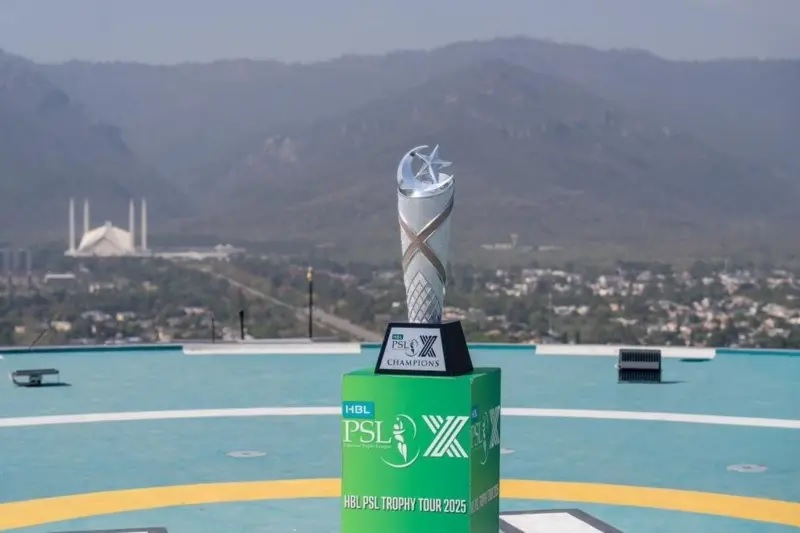
Under the new PSL auction model, several changes have been introduced by franchises regarding players, mentors, and brand ambassadors.
- Retention Changes: Under the new model, each franchise can retain a maximum of only four players, whereas the old model allowed for eight. These four players will be categorized into Platinum, Diamond, Gold, and Silver tiers.
- Abolishment of Special Roles: The rules for Mentors, Brand Ambassadors, and the “Right to Match” (RTM) have been eliminated. Previously, a player in any category could be named a brand ambassador or mentor to receive additional compensation.
- New Franchise Perks: The newly added teams will be permitted to select and retain four players from the available player pool before the auction begins.
- Direct Overseas Signings: Every franchise is allowed to directly sign any foreign player who did not participate in PSL 10. This gives teams the chance to strengthen their squads and bring in fresh international talent.
- Fixed Pricing: According to the Pakistan Cricket Board (PCB), the compensation for these direct overseas signings will be determined by the board itself.
- Budget Increase: To make the league more competitive, the total salary cap for a franchise has been increased from $1.1 million to $1.6 million.
- Attracting Global Stars: The PSL management believes this increase will help attract new high-profile foreign players. Critics have long complained that major T20 stars have bypassed the PSL in recent years, preferring the IPL instead. However, the PCB claims this new model will ensure big names join the league.
- New Venue: PSL management has confirmed that Faisalabad has been included as a new venue for league matches in PSL 11.
- Next Steps: According to the PCB, further details regarding the auction process, schedule, and other operational matters will be released soon.
Quick Comparison: Old vs. New Model
| Feature | Old Model | New Model (PSL 11) |
| Retentions | Up to 8 players | Max 4 players |
| Salary Cap | $1.1 Million | $1.6 Million |
| Ambassadors/Mentors | Allowed (Extra pay) | Abolished |
| Selection Method | Draft | Auction |
| Venues | Traditional Cities | Added Faisalabad |