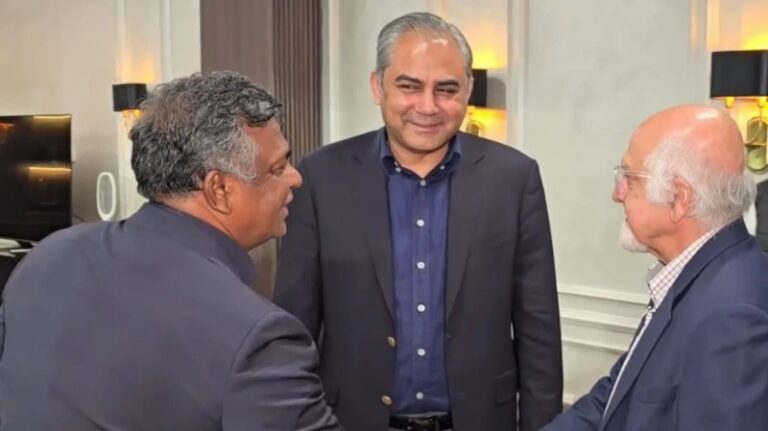

PSL’s High-Stakes Evolution: The Shift from Drafts to Auctions
The Pakistan Super League (PSL) management has introduced several significant changes to the model for Season 11 this year, adopting a player auction system for the first time, similar to the format used by the Indian Premier League (IPL).
In the previous ten seasons of the PSL, players were selected through a “Player Draft” system. However, moving forward, players will have a set base price and will be auctioned off in a bidding process modeled after the IPL.
According to a press release issued by the Pakistan Cricket Board (PCB) on Monday:
“The Pakistan Super League has announced a historic development ahead of its 11th edition, reinforcing its commitment to continuous growth, competitiveness, and innovation.”
The statement further explained that the traditional player draft system is being replaced by a Player Auction Model. The objective of this shift is to enhance competitive balance, increase transparency, and provide players with greater earning opportunities.
The new season of the PSL is scheduled to begin on March 26 this year. Following the recent addition of two new franchises, a total of eight teams will now compete for the title.
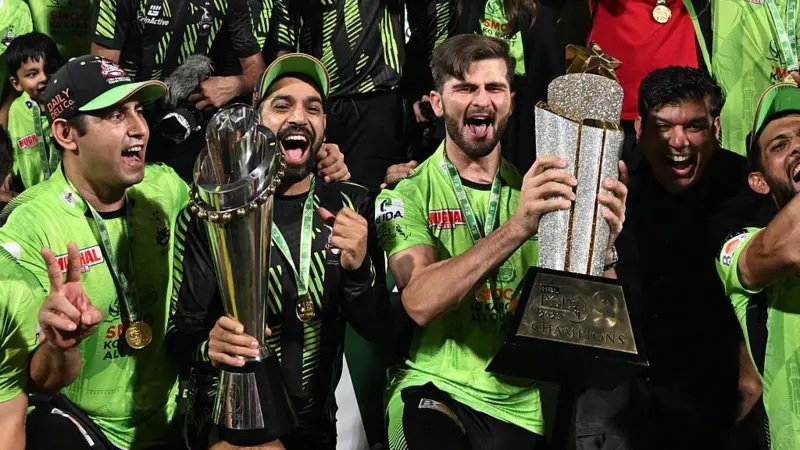
The New PSL Landscape: Billion-Rupee Franchises and the Auction Revolution
During the bidding held on January 8th, the Pakistan Super League sold the Sialkot and Hyderabad franchises for a combined total of 3.6 billion rupees.
What’s New in the PSL Model?
The newly introduced auction model brings several fundamental changes regarding player retention, mentors, brand ambassadors, and team structures:
- Reduced Retention Limits: Under the new model, each franchise can retain a maximum of four players, a significant drop from the eight players allowed previously. These four players must be distributed across the Platinum, Diamond, Gold, and Silver categories.
- Abolition of Special Roles: The roles of Mentors and Brand Ambassadors, along with the Right to Match (RTM) rules, have been eliminated. Previously, teams could use these titles to pay certain players additional fees outside the standard salary cap.
- Head Start for New Teams: The two newly added franchises will be permitted to select and retain four players from the available player pool before the official auction begins.
- Direct Overseas Signings: Every franchise will now have the authority to directly sign one foreign player who was not part of PSL 10. This initiative aims to attract fresh international talent and allow teams to strengthen their squads strategically.
- Regulated Salaries: According to the Pakistan Cricket Board (PCB), the compensation for these direct foreign signings will be determined and regulated by the Board itself.

PSL Boosts Salaries to Attract Global Stars: Salary Cap Raised to $1.6 Million
November 11, 2025
To make the league more competitive, the total salary budget for each franchise has been increased from $1.1 million to $1.6 million.
The PSL management believes this move will provide a significant opportunity to attract new high-profile foreign players. Historically, critics have lamented the absence of top-tier T20 stars in the Pakistan Super League in recent years, noting that many players preferred the IPL over the PSL. However, the Pakistan Cricket Board (PCB) claims that this new model will successfully bring major international names into the league.
In addition to financial changes, the PSL management has announced that Faisalabad has been added as a new venue for league matches in PSL 11.
According to the PCB, further details regarding the auction process, schedule, and other operational matters will be revealed soon.
Key Takeaways from the Update
- Financial Hike: A $500,000 increase in the salary cap per team to bridge the gap with other global leagues.
- Star Power: The primary goal is to counter the “IPL preference” by offering more competitive payouts to overseas talent.
- Expansion: Faisalabad joins the roster of hosting cities, signaling the league’s growing footprint within Pakistan.

“Better Late Than Never”
Social media is abuzz with reactions to the new PSL auction model. While some users are welcoming the change, others believe these measures are still insufficient.
Former Pakistan cricket captain Rashid Latif considers the transition to an auction system a positive development. He emphasizes that the most crucial aspect is the clause that abolishes the regulations surrounding brand ambassadors and Right to Match (RTM).
According to him:
“In the past, some teams kept their Platinum-category players in Gold, while others designated Platinum players as mentors or brand ambassadors. This distorted team structures and disadvantaged other franchises. This is perhaps the best decision the Pakistan Cricket Board has made in the last five years.”
Under the “Right to Match” regulation, if a franchise released a player, they had the right to reclaim them during the auction by matching the highest bid placed by another team. However, this clause has now been scrapped.
Quick Explainer: Why These Changes Matter
- Transparency: By removing the “Mentor” and “Brand Ambassador” loopholes, teams can no longer bypass salary caps to keep star players through “under-the-table” or side-deal arrangements.
- Level Playing Field: Scrapping the Right to Match (RTM) means that once a player is released, they are truly “up for grabs.” The original team no longer has the unfair advantage of swooping in at the last second to take the player back.
- True Market Value: Players will now be valued solely on their performance and demand in the open auction.

Mixed Reactions: From High Praise to Calls for Bigger Budgets
It is nearly impossible for a major Pakistan Super League announcement to pass without Ali Tareen, the former owner of Multan Sultans, weighing in. Commenting on the matter on X (formerly Twitter), Tareen wrote:
“Player Auction—this truly marks the beginning of a new era for the PSL.”
However, not all feedback was purely celebratory. A user named Junaid Ahmed pointed out a financial disparity, writing:
“The PSL model is a good step… but a total salary budget of $1.6 million (approximately 450 million PKR) per franchise is still very low. In the IPL, a single player can earn 250 million Indian Rupees, which is more than the entire budget of a PSL team.”
On the other hand, Saleem Abbas Janjua expressed optimism, noting that the league is finally in a position to compete with global rivals:
“Finally, the PSL is in a position to compete with other leagues. The auction will be a major draw for bringing big names into the PSL.”
Another user, Muhammad Sanaullah, supported the auction concept but felt the financial cap fell short:
“I am in favor of the auction, but with a team budget of only $1.6 million, it won’t be very exciting. The budget should have been at least $3 million.”
Regarding logistics, while many users welcomed the inclusion of Faisalabad as a host city, several fans expressed their disappointment and frustration over Peshawar once again being excluded as a venue.